Ecology
African Forest Elephant
Ecology of the African Forest Elephant
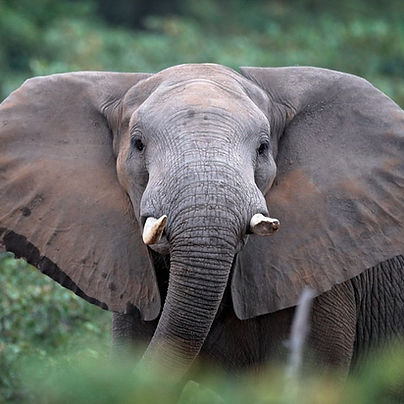
The African forest elephant plays a critical ecological role within the dense tropical forests of Central and West Africa, where it functions as a keystone species and ecosystem engineer. Moving through thick forest landscapes, these elephants create and maintain pathways that are used by a wide range of other wildlife, effectively shaping animal movement and access within otherwise impenetrable vegetation. Their feeding behaviour, particularly the consumption and dispersal of large seeds,supports forest regeneration and contributes to maintaining tree diversity, including species that rely exclusively on elephants for propagation. By selectively browsing and foraging, forest elephants influence forest structure, promoting a dynamic balance between plant species and preventing dominance by fast-growing vegetation. Their activities also enhance carbon storage capacity in tropical forests by favouring the growth of larger, high-density tree species. Despite their elusive nature, forest elephants are therefore fundamental to the health, resilience, and long-term stability of the ecosystems they inhabit.